



Bora Wheel Spacers for F150 | Bolt-On Stance & Clearance Upgrades
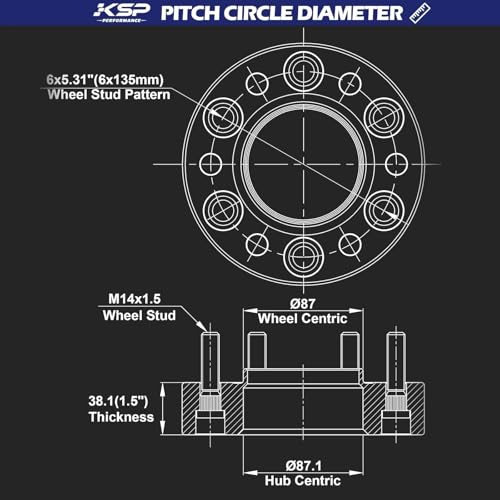
Our F150 wheel spacers are CNC-machined from 6061-T6 billet aluminum and engineered specifically for Ford F-Series trucks with 6x135mm bolt patterns. Each spacer set includes hardened steel studs pre-installed and torqued to OEM specifications, eliminating the need for longer aftermarket lug nuts. We design these spacers with hub-centric rings to maintain proper wheel alignment and reduce vibration at highway speeds.
Whether you're running larger tires, adding lift components, or simply want an aggressive stance, our F150 spacers provide repeatable fitment without compromising suspension geometry. Every set is anodized for corrosion resistance and includes installation hardware rated to match or exceed Ford's factory torque requirements. We manufacture in the USA and back every set with a lifetime structural warranty.
Key specifications & construction details
Hub-Centric Design & Vibration Control
Every Bora wheel spacer for F150 trucks features a machined hub-centric ring that mates directly with the factory hub bore. This ring centers the spacer on the hub before you tighten the studs, ensuring the rotational axis stays true. Without this feature, wheels can develop micro-wobble as lug nuts settle, especially under heavy loads or towing conditions.
We measure hub-centric tolerances to ±0.001″ across the entire contact surface. That precision prevents the balance issues some drivers report with slip-on spacers that rely only on lug-nut clamping force. If you’ve experienced vibration above 60 mph with other brands, the hub-centric fit is usually the missing variable.
Materials & Corrosion Resistance
We machine all our F150 spacers from a single forging of 6061-T6 aluminum, then apply a Type II anodized finish that penetrates the surface for long-term protection. The anodizing process creates a ceramic-like oxide layer resistant to road salt, brake dust, and the aluminum-oxide bloom that turns untreated spacers chalky white after a winter season.
The pre-installed studs are heat-treated alloy steel rated to SAE J429 Grade 8 minimum, with rolled threads for fatigue resistance. We torque each stud to 65 ft-lbs during assembly and apply a dry thread-lock compound, so they won’t back out during installation or service intervals.
Sizing Guide & Compatibility
Choosing the Right Thickness
Our F150 spacers come in four thicknesses: 1.25″, 1.5″, 1.75″, and 2″. The 1.25″ and 1.5″ options suit mild leveling kits or wheel styles that tuck slightly inboard. The 1.75″ and 2″ widths work best when you’re fitting 35″+ tires or want the outer bead flush with the fender lip. We recommend test-fitting with the suspension at full compression to confirm clearance between the tire sidewall and upper control arm.
Bolt Pattern & Year Range
The 6x135mm pattern covers 2004–2024 F150 models and 2003–2024 Expedition / Navigator SUVs. If you’re running a 2003 or earlier F150, verify your bolt circle—some heritage editions used 5x135mm or 5×4.5″ patterns. The hub bore on our spacers is 87.1mm, matching Ford’s OEM specification. Aftermarket wheels with larger center bores will still seat correctly thanks to the hub-centric ring; aftermarket wheels with smaller bores require a different spacer series.
More Bora Spacers for Ford F-Series Trucks



Rated 4.8 by verified buyers


Common Questions About Bora F150 Wheel Spacers
Yes, our F150 spacers are designed for the OEM 6x135mm bolt pattern and 87.1mm hub bore found on 2004–2024 F-Series trucks. The hub-centric rings ensure proper alignment with factory wheels and most aftermarket options. If your aftermarket wheels have a larger center bore, the hub ring will still center correctly. Wheels with smaller bores require adapter rings, which we sell separately.
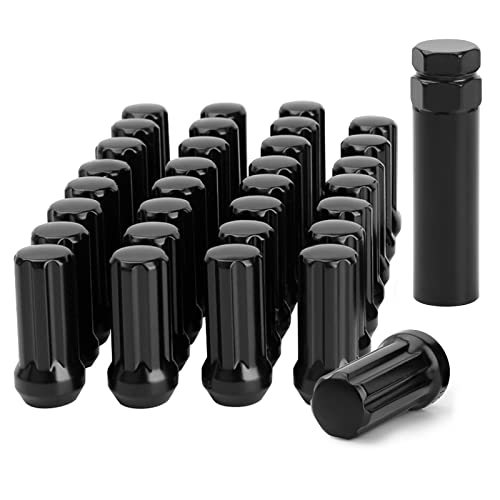
No, our spacers come with pre-installed hardened steel studs that extend through the spacer body. You'll use your factory lug nuts to mount the spacer to the hub, then use the same lug nuts again to mount your wheel to the spacer's studs. The total thread engagement meets or exceeds Ford's OEM specification, so no extended lug nuts are required unless you're stacking multiple spacers.
We offer F150 spacers up to 2" thickness, which is within safe operating limits for street and light off-road use when installed correctly. The limiting factor is usually tire clearance at full suspension compression, not spacer strength. We recommend test-fitting with the suspension compressed and steering at full lock to check for contact between the tire and control arms or fender liner. For heavy towing or competitive off-road use, consult your suspension manufacturer's offset recommendations.
Vibration usually comes from improper installation or non-hub-centric spacers. Clean the hub face and wheel mounting surface thoroughly before installation—dirt or paint buildup prevents flush seating. Torque the spacer to the hub at 150 ft-lbs in a star pattern, then torque the wheel to the spacer studs at the same spec. Re-torque after 50 miles. Our hub-centric rings eliminate the micro-wobble that bolt-only spacers can develop over time.
Yes, wheel spacers are legal in all 50 states when installed according to manufacturer specifications. Our spacers meet SAE and ISO standards for wheel mounting hardware. Some states require periodic inspection of lug-nut torque, so keep your torque wrench handy if you're due for registration renewal. Commercial fleet operators should verify that spacers don't void tire or suspension warranties on work trucks.
Absolutely. Many customers install our spacers alongside leveling kits to achieve proper wheel offset after raising the front suspension. Spacers don't affect suspension geometry—they only change the wheel's lateral position. If you're running a lift taller than 3", verify that your CV axles and tie rods have adequate range of motion at full droop and full lock. The spacer itself won't cause binding, but it will move the wheel outboard where steering angles can differ.
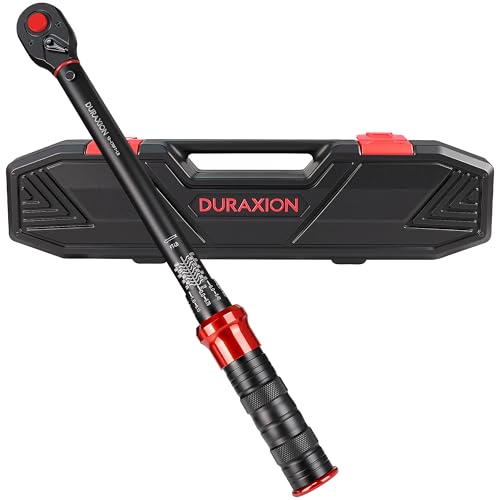
Re-torque after the first 50 miles, then inspect at every tire rotation or oil change interval. We recommend checking torque if you hear any clicking, popping, or feel vibration that wasn't present immediately after installation. Lug nuts can settle slightly as the spacer seats against the hub, especially in the first few heat cycles. Keep a 21mm socket and calibrated torque wrench in your truck for roadside checks during long trips.